
My major in English Studies incorporated four elements of my department — literature, linguistics, professional writing, and creative writing — into one degree. My course load varied in topic from deconstructing short stories to applying Aristotelian logic to identifying every sort of issue in grammar. For me, each component fed into the other, like my linguistics background making me a better copyeditor for our literary journals or my creative studies feeding into how I approached writing workplace documents. Studying at Ball State gave me the courage to bind these seemingly disparate components together to form a single narrative.
Being in the middle of my degree when the pandemic struck required a flexibility no one could have expected at the start. Challenges like building remote learning frameworks with professors in real time ran up against a loss of the many social activities that make college unique. Through this disruption, I was not only able to complete my degree, but I was also singled out by many professors as someone who shepherded community and engagement in the digital classroom.
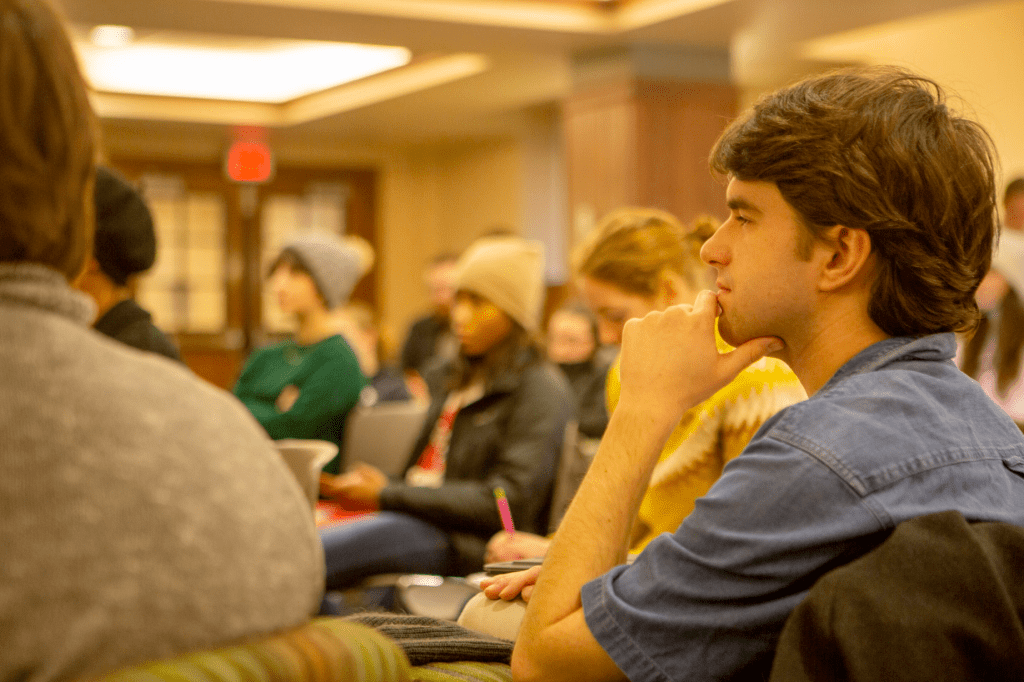
One of my proudest accomplishments while at Ball State was contributing to the Muncie LGBTQ+ Oral History Project. I interviewed local community members who were working to make a difference in the lives of fellow queer people, with those interviews becoming part of the university’s permanent archives. As a gay man, I felt a special pride in collecting these stories and discussions of LGBTQ+ life at the nexuses of gender, race, and poverty. I developed my communication, editing, and technology skills while harboring a place for memory in this small town.
My undergrad thesis explored the relationship between food, class, and sexuality in the 2017 movie Call Me by Your Name.
 Allen Warren